
Subfloors Built to Hold What Goes Above
Subfloor Preparation and Repairs in Oakhurst for surfaces that are uneven, damaged, or structurally compromised before new flooring installation
A finished floor is only as stable as the surface it's fastened or bonded to, and subfloor deficiencies are the most common reason new flooring fails prematurely. Rocam Flooring performs subfloor preparation and repairs in Oakhurst, addressing the structural and surface conditions that determine whether new flooring installs correctly and holds its shape over time. Gaps, soft spots, height transitions, and surface contamination each require a different correction, and identifying which applies before installation begins is what separates a durable result from one that shows problems within the first year.
The preparation scope includes plywood and luan underlayment installation, subfloor damage assessment, skim coating for surface imperfections, and self-leveling compound application for floors that are out of plane. Self-leveling compound is particularly relevant for older construction where subfloor panels have shifted or settled over time—the compound flows into low areas and cures to a hard, flat surface that most flooring systems can go directly over. Skim coating addresses smaller surface irregularities like fastener heads, patched areas, or shallow depressions that would otherwise create visible high or low points in the finished floor.
Request an on-site subfloor assessment to identify which repairs apply to your space before choosing your new flooring material.
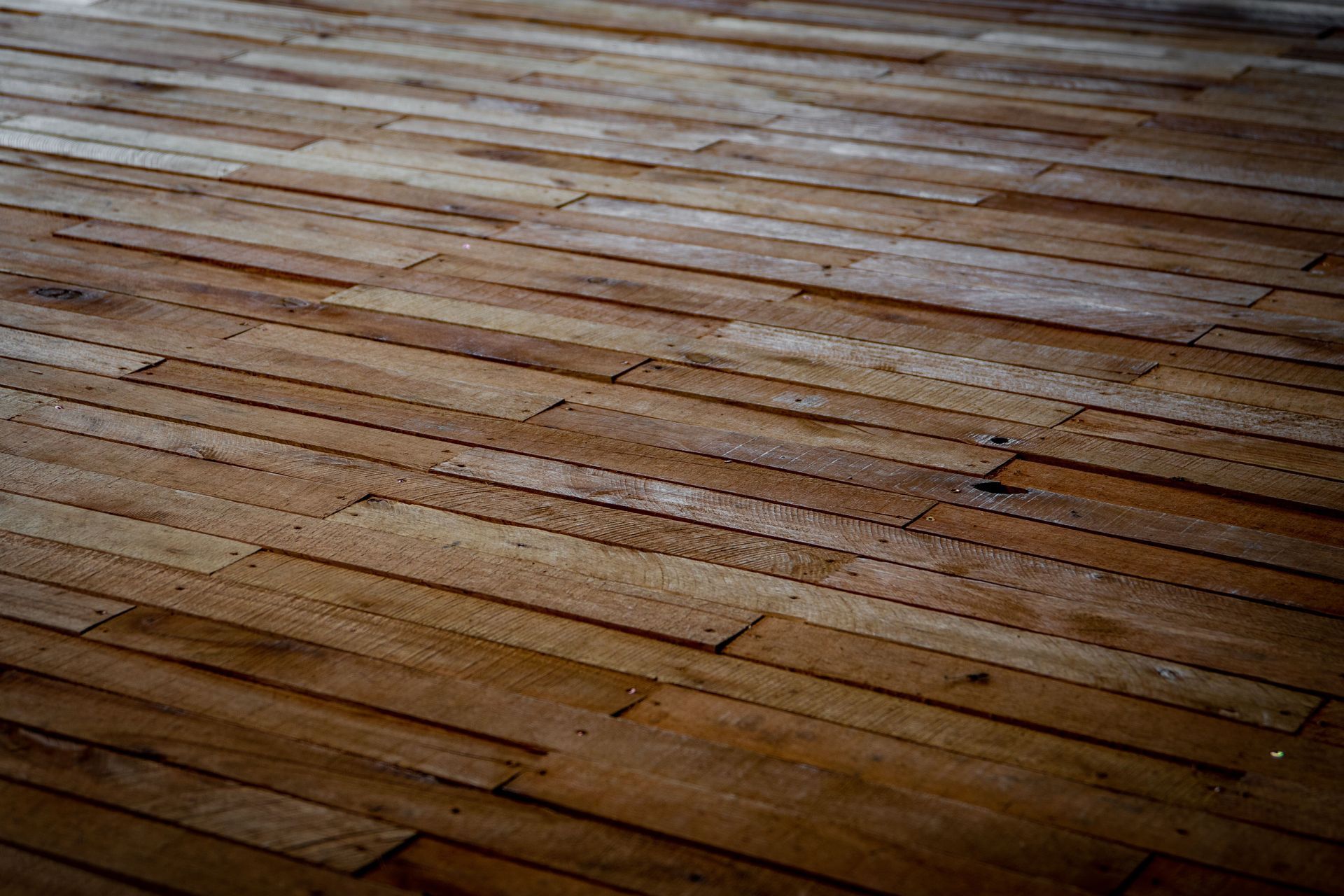
The details
How Subfloor Preparation Affects the Finished Installation
Subfloor preparation is not a single task—it's a sequence of evaluations and corrections performed in a specific order. The assessment phase comes first: probing for soft spots that indicate moisture damage or fastener failure, checking for deflection across the span, and measuring for flatness using a straightedge to identify high and low areas. What gets done after that depends entirely on what those checks reveal. A floor that needs both structural repair and leveling compound requires the structural work to be completed and cured before compound is applied, because leveling over an unstable substrate means the compound cracks as the structure continues to move.
Once preparation is complete, the subfloor feels rigid underfoot without flex or movement, and a straightedge placed across it shows no meaningful gaps. That's the condition required for most flooring manufacturers' installation warranties to be valid—and it's what Rocam Flooring is working toward, not treating as optional. Luan underlayment installation adds a smooth, consistent surface layer over plywood subfloors where the existing panel seams or grain would read through thinner finished flooring like sheet vinyl or luxury vinyl tile.
The choice of preparation method is driven by the flooring system being installed above it. Rigid flooring like tile requires a different flatness tolerance and substrate stiffness than a floating vinyl plank system. Preparation done to a generic standard rather than the specific requirements of the finished floor creates compatibility problems that only show up after installation is complete.
FAQs
What Property Owners Ask About the Work
Subfloor preparation raises specific questions about sequencing, materials, and what conditions need to be corrected before new flooring can go in. The answers below address how this work is performed in practice.
How is self-leveling compound applied and what determines how much is needed?
Self-leveling compound is mixed to a pourable consistency, applied into low areas, and allowed to flow and settle before it cures to a firm surface. The volume needed is determined by measuring the depth and extent of the low areas—a straightedge and depth gauge identify where the floor deviates from flat and by how much.
What is luan underlayment and when is it used instead of plywood?
Luan is a thin, smooth panel installed over the existing subfloor to create a consistent bonding surface for resilient flooring products like sheet vinyl and luxury vinyl tile. It's used when the subfloor itself is structurally sound but too rough or irregular at the surface level to provide a clean install base.
How do you identify subfloor damage that isn't visible from the surface?
Soft or spongy areas are located by walking the floor under load and probing with a tool to find zones where the plywood has delaminated or where joists below have lost contact with the subfloor panel. In Oakhurst properties where plumbing runs have been modified over the years, these soft spots most often appear near bathrooms or kitchen areas where slow leaks went undetected.
Why does subfloor preparation matter differently depending on what flooring goes above it?
Tile requires a subfloor deflection standard of L/360 or better across the span—meaning it flexes very little under load—because tile and grout crack under movement that other flooring systems tolerate without visible damage. Vinyl plank and laminate can accommodate more surface variation but still require flatness within a specific tolerance to prevent gaps or peaking at panel joints.
What should be done if fasteners are working loose from the subfloor panels?
Loose fasteners are re-driven or replaced before any surface preparation begins, because a subfloor panel that moves independently from the joist below will cause whatever correction is applied on top to fail. This step is part of the damage assessment and repair phase, not an afterthought.
Rocam Flooring approaches subfloor preparation as the phase that determines everything that follows. When you're ready to move forward with a flooring project, connect with Rocam Flooring to schedule a subfloor evaluation and confirm what preparation your specific space requires before installation begins.