
Floors That Age Without Looking Worn
Hardwood Flooring in Oakhurst for homes where refinishing potential and long-term value matter
Hardwood scratches and dents over decades of use, but those surface marks sand out during refinishing rather than requiring full replacement. New hardwood floor installation means selecting species based on hardness ratings that determine how well the wood resists denting from dropped objects and furniture weight. Red oak measures 1290 on the Janka hardness scale, while Brazilian cherry reaches 2820, making it suitable for kitchens and entryways where impact damage occurs most.
Rocam Flooring installs hardwood flooring throughout New Jersey, working with solid planks that allow multiple refinishing cycles over the floor's lifespan. The installation process involves fastening each plank to the subfloor with cleats driven at precise angles, creating a surface that doesn't shift or squeak when walked on.
Arrange an on-site evaluation to assess subfloor flatness and moisture levels before selecting wood species.
The details
How Hardwood Installation Addresses Long-Term Performance
Installation requires measuring subfloor moisture content with pin or pinless meters, since concrete slabs in New Jersey basements often retain moisture that causes cupping and warping once planks are installed. Solid hardwood needs moisture barriers when installed over concrete, and the wood itself must acclimate to interior humidity levels for seven to ten days before installation begins. This prevents the gapping that occurs when wood installed during humid summer months shrinks once winter heating dries the air.
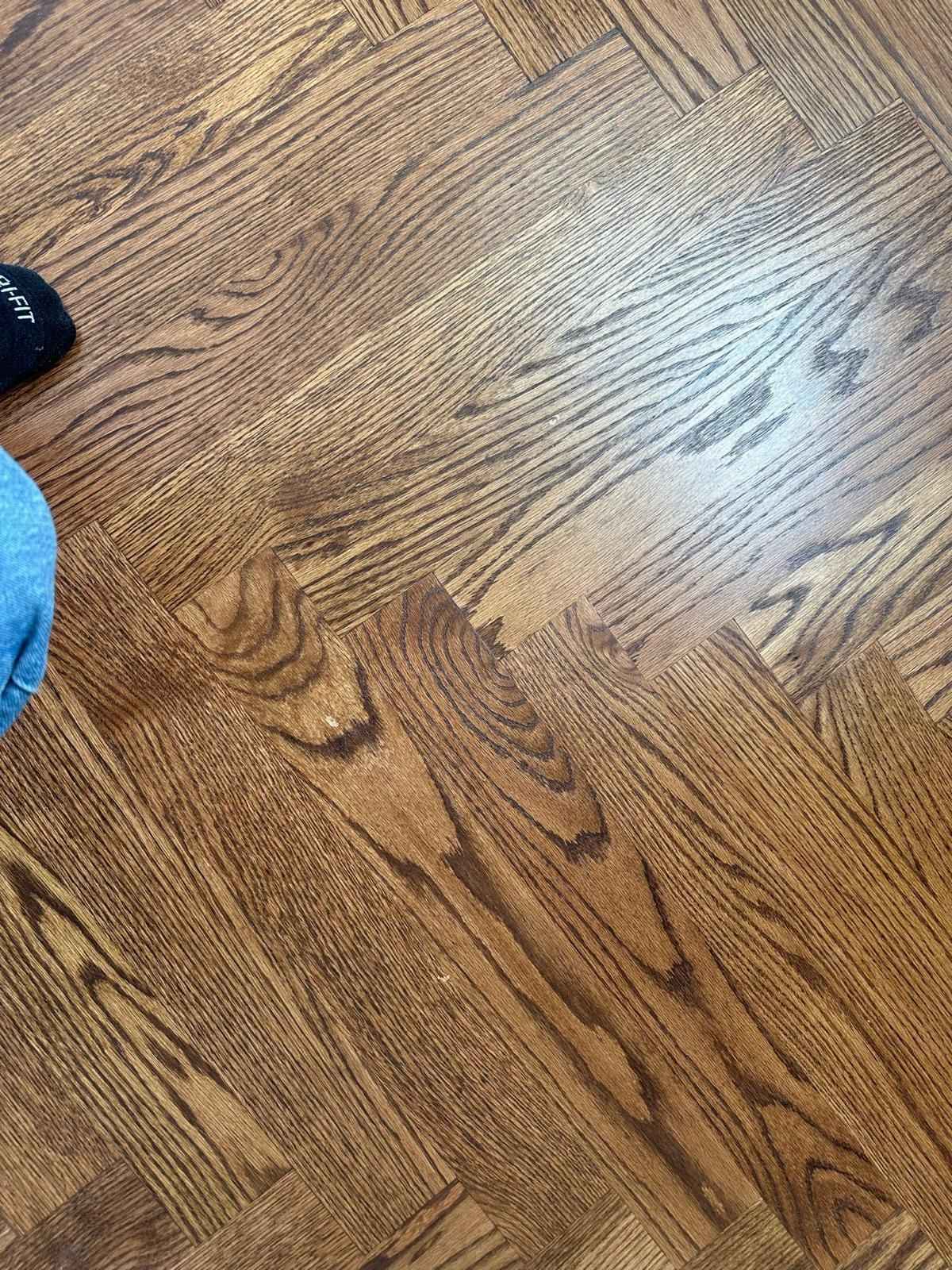
Once installation completes and finish coats cure, you notice the grain patterns and color variations that make each plank distinct rather than the repeating photographic patterns found in laminate. The surface develops a patina over years of foot traffic, with wear patterns that show use without looking damaged. When scratches accumulate after a decade or more, the floor sands down to fresh wood and accepts new finish coats.
Prefinished hardwood arrives with factory-applied finish coats that cure under UV light, creating harder surfaces than site-applied polyurethane. Site-finished floors allow sanding the entire surface flat after installation, eliminating the slight height differences between planks that prefinished floors retain. Each approach offers trade-offs between installation speed and final smoothness..
FAQs
Common Questions About This Service
Understanding how wood species, installation methods, and finish options affect performance helps homeowners make decisions that match their maintenance preferences and budget.
What hardness rating works for homes with pets?
Species rated above 1400 on the Janka scale resist the scratches from dog claws better than softer woods like pine or fir. White oak, maple, and hickory all fall into this range and refinish well when surface damage eventually accumulates.
How does seasonal humidity in Oakhurst affect hardwood floors?
Wood expands when humidity rises in summer and contracts during dry winter months, which is why gaps between planks widen in winter and close in summer. Maintaining indoor humidity between 35 and 55 percent year-round minimizes this movement.
What distinguishes solid hardwood from engineered wood flooring?
Solid hardwood consists of one piece of wood from top to bottom and allows sanding down up to a quarter inch multiple times over its life. Engineered wood uses a thin hardwood layer over plywood, limiting refinishing to one or two cycles depending on veneer thickness.
When should floors be refinished rather than replaced?
Refinishing works when damage affects only the finish and top wood layer, typically after ten to twenty years depending on traffic and maintenance. If boards show cupping, warping, or deep stains that penetrate beyond the top eighth inch, replacement addresses structural problems that sanding cannot fix.
What finish type provides the best scratch resistance?
Oil-modified polyurethane cures harder than water-based versions and shows scratches less visibly, though it adds an amber tint that darkens over time. Water-based polyurethane dries clear and allows the natural wood color to show without yellowing.
Rocam Flooring provides material and installation estimates after reviewing your subfloor type and measuring room dimensions. Contact us to discuss wood species options and determine which finish approach fits your timeline.