
Drywall Work That Disappears Under Paint
Drywall Installation and Repair in Oakhurst for walls and ceilings with holes, cracks, or missing panels that need a smooth, paintable surface
Drywall repairs are often the last interior step before a space gets painted, which makes the quality of the finish work immediately and permanently visible. Rocam Flooring performs drywall installation and repair in Oakhurst, handling new panel installation, patching and hole repairs, crack repair, joint taping, compound application, and surface sanding to a paint-ready finish. These services are frequently needed alongside flooring work—when walls take damage during demolition, when old trim removal leaves gaps or fastener holes, or when a renovation scope requires new drywall in areas that didn't previously have it.
The repair process follows a defined sequence: damaged material is removed or stabilized, backing is added where needed to give the patch something to fasten to, patch material is set and taped, and compound is applied in multiple coats with sanding between each coat. Skipping coats or sanding stages in drywall finishing is the most common reason repairs read as patches under paint—the surface looks smooth before paint goes on but the texture difference between the compound and the surrounding drywall face paper becomes visible once painted, especially under raking light. Each coat of compound needs to be fully dry before the next is applied.
Set up a walkthrough with Rocam Flooring to identify the drywall repairs your project requires and confirm what the finishing process will involve before scheduling begins.
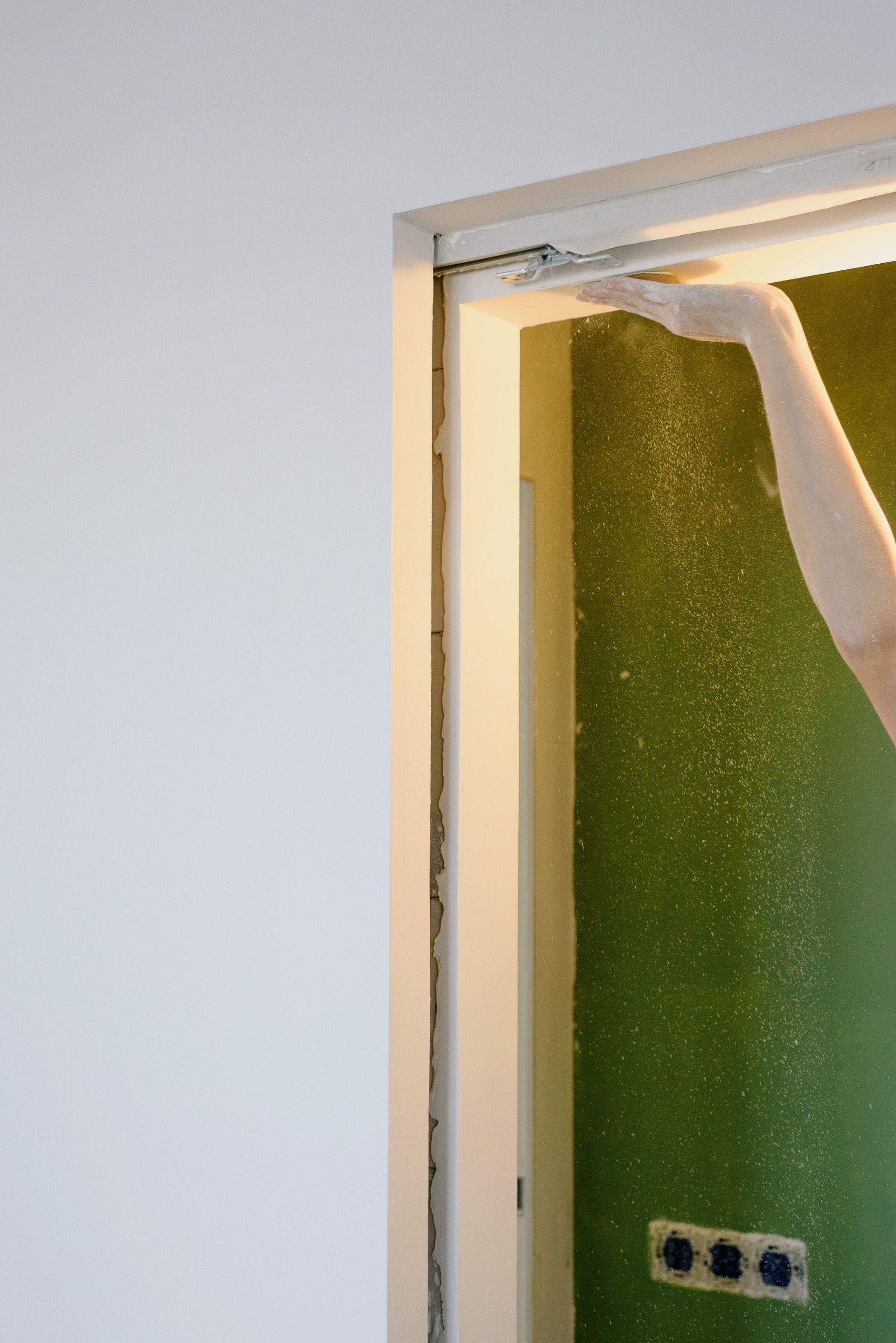
The details
What Drywall Finishing Actually Accomplishes
Joint taping and compound application aren't cosmetic steps—they're structural ones. Tape embedded in compound across a drywall seam prevents the joint from cracking as the building moves and the panels respond to changes in load and humidity inside the structure. Paper tape is the standard for flat seams because it's thin enough to feather out smoothly under compound, while fiberglass mesh tape is used in some patch applications but requires a setting-type compound to achieve adequate strength. The choice between them affects how the finished surface holds up over time, not just how it looks when the work is done.
After compound is fully applied, sanded, and the surface is primed, repaired areas blend into the surrounding wall face without a visible boundary. Cracks that were open and following the framing layout close and disappear under the repair. Holes that interrupted the flat plane of the wall are filled and feathered so the patched area reads as continuous with the original surface. Rocam Flooring sands to a finish level appropriate for the paint sheen being applied—higher sheen paints like satin or semi-gloss require finer surface preparation because they reflect light at angles that reveal surface texture that flat paint would absorb.
Crack repair requires identifying what caused the crack before applying compound over it. Hairline cracks in compound at seams usually indicate a tape bond failure or inadequate original finishing and are repaired by reopening the seam, re-taping, and refinishing. Cracks that follow framing members or appear at corners may indicate structural movement that should be assessed before the surface repair is completed, since refinishing over an active crack produces a repair that fails in the same location again.
FAQs
Questions Before Starting Your Project
Drywall work involves specific decisions about materials, sequencing, and surface preparation that affect whether the repair or new installation holds and finishes correctly. These answers cover how the work is actually performed.
How many coats of compound are applied during drywall finishing and why does the number matter?
Standard drywall finishing involves a minimum of three coats—a tape coat that embeds the joint tape, a second fill coat that builds the surface level, and a finish coat that's sanded smooth. Each coat shrinks slightly as it dries, which is why multiple thin coats applied and sanded in sequence produce a flatter result than fewer thick coats applied all at once.
How is a large hole in drywall patched so it holds without a backer panel?
Holes larger than a few inches require a backing structure—typically a piece of wood or a metal clip fastener installed through the hole and positioned behind the panel to give the patch piece something to fasten against. The patch piece is cut to fit the opening, fastened to the backer, taped at the seams, and finished with compound the same way a standard joint would be.
What causes drywall cracks to reappear after being repaired with compound?
Cracks that come back after repair usually indicate ongoing movement in the structure behind the drywall—either framing that's still settling, fasteners that are working loose, or a joint that was repaired with compound alone rather than being re-taped. Compound without tape has limited tensile strength and will re-crack under the same stress that opened the original crack.
How does new drywall installation in Oakhurst properties connect to existing wall sections?
New panels are fastened to existing framing and the seam between new and existing drywall is taped and finished the same way any joint would be, though the texture match of the finished surface may require additional attention if the surrounding wall has a knockdown or orange peel texture that needs to be replicated over the new section.
What surface condition is considered paint-ready after drywall finishing is complete?
A paint-ready surface is one where compound is fully cured, sanded smooth with no ridges or trowel marks, and primed with a drywall primer that seals the compound surface. Painting directly over unprimed compound causes the paint to absorb unevenly—the compound pulls moisture from the paint faster than the surrounding drywall face paper does, creating a flat spot called flashing that's visible once the first coat dries.
Rocam Flooring completes drywall work to a finish standard that holds under primer and paint without requiring a second pass to fix visible patch lines or surface texture differences. When your renovation project includes wall or ceiling repairs alongside flooring work, contact Rocam Flooring to coordinate drywall scope as part of the overall project plan.