
Floors Built to Stay Permanently Fixed
Glue-Down Flooring in Oakhurst for surfaces that shift, peel, or separate from the subfloor
Glue-down vinyl flooring installation demands more from the subfloor than most clients expect, and the adhesive bond is only as reliable as the surface beneath it. Rocam Flooring handles glue-down installation for residential and commercial projects in Oakhurst, starting every job with a subfloor inspection before a single tile or plank is placed. Properties with concrete slabs, older wood subfloors, or mixed-height transitions between rooms all require different prep sequences before adhesive goes down.
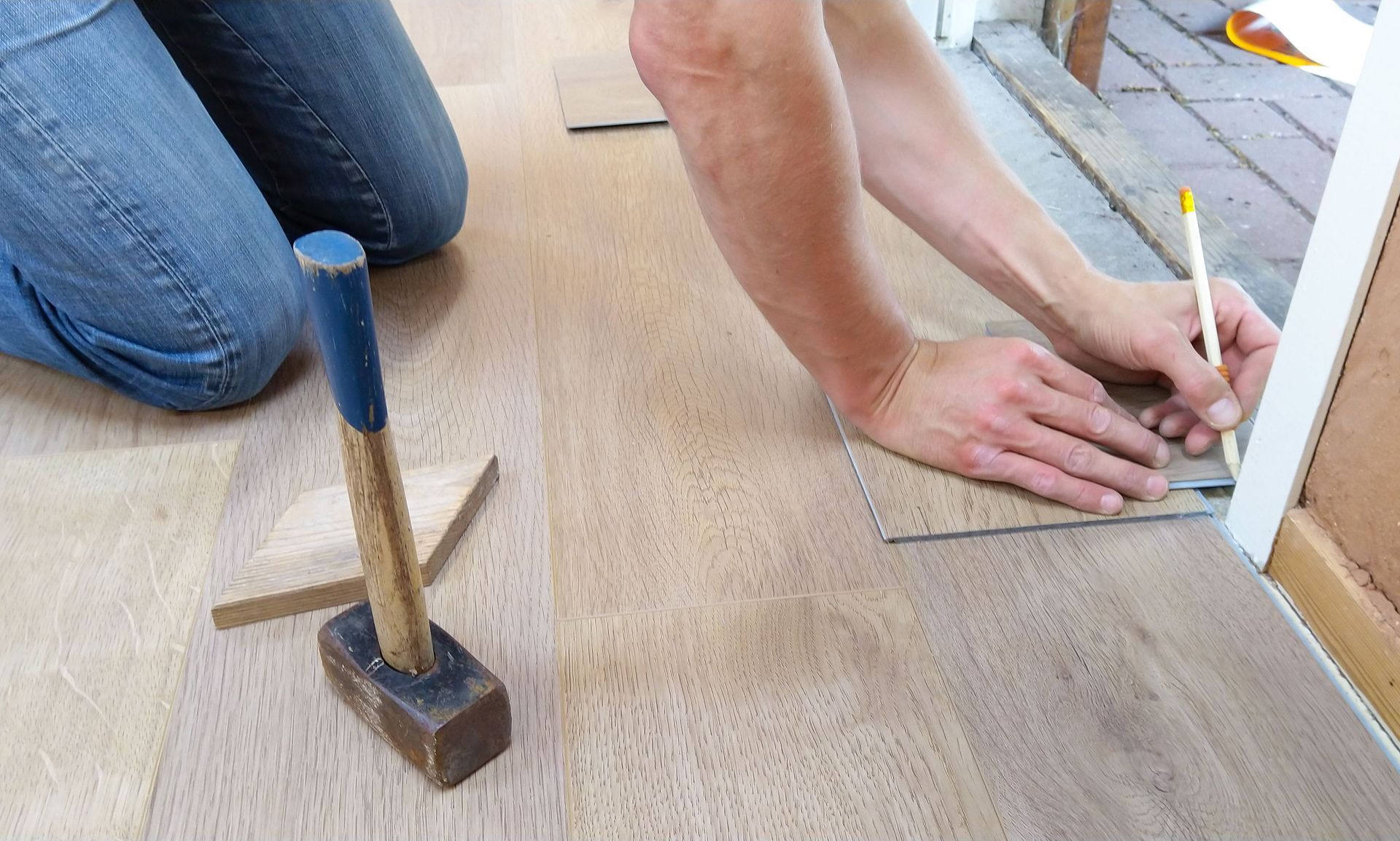
The installation process begins with subfloor preparation—leveling low spots, removing residue from previous adhesive layers, and confirming the surface is clean and structurally sound. Adhesive is then applied in controlled sections, allowing proper open time before flooring placement begins. Each plank or tile is set into the adhesive with consistent pressure, and cuts are made precisely at walls, doorways, and transitions to produce clean edges that lie flat without gaps or lifting corners.
Request an on-site evaluation to assess your current subfloor condition and discuss the right adhesive and flooring combination for the space.
The details
What Glue-Down Installation Actually Accomplishes
When vinyl flooring is fully bonded to the subfloor rather than floated, it cannot shift under rolling loads, pivot under furniture legs, or develop hollow spots where the bond weakens over time. This makes glue-down the preferred method for commercial spaces with heavy foot traffic and for residential areas where dimensional stability matters—kitchens, hallways, and rooms where large appliances are moved in and out. The subfloor inspection phase determines whether the existing surface can support a direct bond or whether self-leveling compound or additional prep is needed first.
After installation, the floor sits flush without the slight give that floating installations produce underfoot. Seams stay tight, edges remain flat against the wall, and the surface does not bounce or flex when walked across. Transition pieces at doorways and between flooring types are cut and fitted during the same visit, so the finished floor presents consistently across the entire area without raised edges that catch shoes or create tripping hazards.
Rocam Flooring works on both residential and commercial projects, which means the preparation standards and adhesive selections are matched to the specific use of the space—a commercial showroom with forklift traffic has different requirements than a residential hallway, and the installation approach reflects that difference.
FAQs
Answers About How the Work Is Done
Glue-down installation involves several interdependent steps, and the sequence matters as much as the materials. These questions address what actually happens during the job and what to watch for in finished work.
What does subfloor preparation involve before adhesive is applied?
The subfloor is inspected for levelness, cracks, residue, and moisture-related damage; low spots are filled, high spots are ground down, and any contamination that would prevent the adhesive from bonding is removed before installation begins.
How is the adhesive selected for a specific project?
Adhesive type is chosen based on the flooring material, the subfloor composition—concrete versus wood—and the anticipated load on the surface, since a high-traffic commercial floor requires a stronger, faster-curing bond than a residential bedroom.
What happens if the subfloor has height differences between rooms?
Transition strips are cut and fitted to bridge height changes between flooring types or between rooms, and in Oakhurst properties where older homes often feature layered subfloors from previous renovations, those height differences are assessed before installation begins.
How are cuts made around obstacles and irregular walls?
Each cut is measured and scored individually using a straight edge and utility knife or a vinyl cutter, then test-fit before final placement to confirm the edge lies cleanly against the wall or obstacle without gaps.
Why does consistent pressure during placement matter for the finished floor?
Uniform pressure across each plank ensures the adhesive makes full contact with the flooring backing, which prevents hollow spots that can cause the floor to flex, crack, or separate from the subfloor under repeated foot traffic.
Rocam Flooring manages glue-down flooring installation for properties across Oakhurst, handling both the subfloor preparation and the finished installation in a single, coordinated process. Connect with Rocam Flooring directly to schedule a walkthrough of your space and get a clear picture of what the installation will involve.